
How Long Does It Take to Build a House in Melbourne?
Almost everyone asks this question in the first meeting, and almost every builder gives a vague answer. That is partly because the honest answer depends on things nobody knows yet, and partly because the number people want to hear is smaller than the number that is true.
So here it is properly. This is how long a custom home in Melbourne actually takes, where the time goes, and which parts of the timeline you can influence.
The short answer
For a custom home in Melbourne, plan on 18 to 24 months from your first design meeting to the day you get the keys. Roughly six to nine months of that is design, documentation and approvals. The remaining ten to fifteen months is construction.
If your block needs a planning permit as well as a building permit, add three to six months. If it is a straightforward knockdown rebuild on a clean site with no overlays, you can sometimes get the whole thing done closer to sixteen months.
Anyone quoting you nine months for a custom double storey is either describing a volume builder's standard plan on a flat estate block, or they are describing construction only and leaving out everything that happens first.
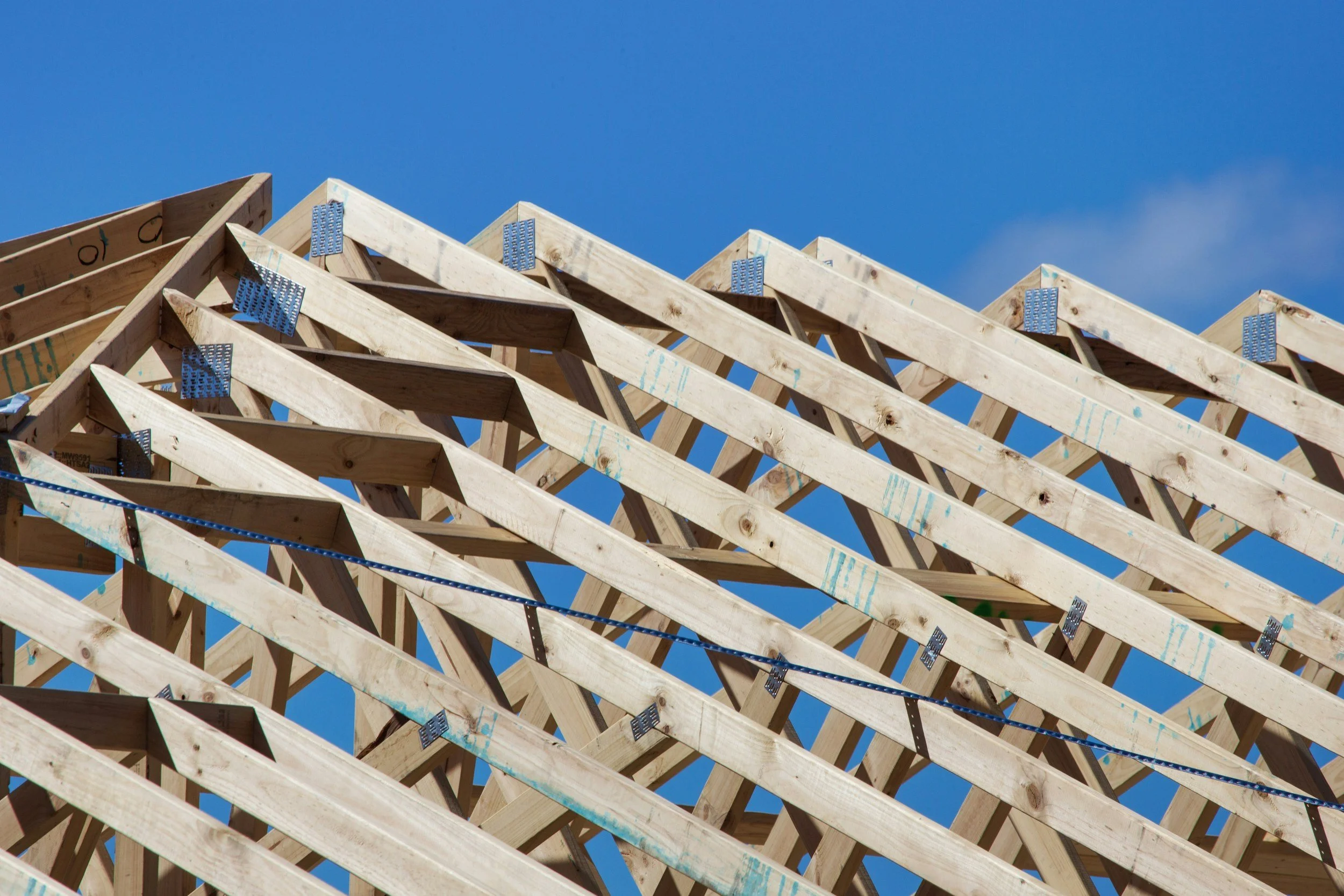
Frame stage moves fast and is often the most satisfying part of a Melbourne build to watch.
What the national data says
The Australian Bureau of Statistics tracks the gap between building approval and completion, which is a useful reality check because it is measured rather than promised.
The most recent analysis puts a detached house at around 11.5 months from approval to completion nationally. Townhouses run about 14.8 months. Apartments are in a different world at roughly 32.9 months.
Two things are worth noting about those figures. The first is that they start at approval, so all the design and permit work sits outside the number. The second is that a detached home now takes roughly 35 per cent longer to finish than it did a decade ago. That is not one builder being slow. It is trade availability, a more demanding building code, and more complex homes.
The better news is that Victoria has been moving in the right direction. Master Builders Victoria reported that detached house build times in Victoria fell by 9.7 per cent during 2024-25, which is about five and a half weeks off the average. It was the first meaningful reduction in a decade.
The part nobody counts: before you break ground
This is where most of the surprise lives. People start the clock when the excavator arrives, but by then you are well over half a year in.
Design and concept, six to twelve weeks. Site analysis, a brief that actually reflects how you live, and two or three rounds of concept plans. Rushing this is the single most expensive thing you can do, because every decision after it inherits whatever you settled for.
Design development and documentation, eight to sixteen weeks. Working drawings, engineering, soil report and site classification, energy rating, and the coordination between all of them. A double storey on a reactive clay site takes longer here than a single storey on sand, because the engineering has more to resolve.
Planning permit, three to six months if you need one. Councils have 60 statutory days to decide, and that clock stops every time they ask for more information. If your project meets the deemed to comply standards under the current codes, this is faster and far more certain than it used to be. If it does not, you are into a discretionary assessment where neighbours can object.
Building permit, three to six weeks. A registered building surveyor reviews the documentation and issues the permit. This is usually the quickest approval in the sequence, provided the documentation is complete. Incomplete documentation is the reason it sometimes takes three months instead.
Contract and pre-construction, four to eight weeks. Final pricing, contract signing, insurance, service connections, and getting your selections locked down. Selections are the hidden one here, and we will come back to it.
The stages on site
Construction on a custom home in Melbourne generally breaks into five stages. These durations assume a two storey home of reasonable size on a normal suburban block.
Site preparation and base, four to eight weeks. Demolition if it is a knockdown rebuild, site cut, service relocations, then footings and slab. Reactive clay across much of Melbourne's south east means deeper footings or a stiffened raft slab, and that adds time. So does rain, because you cannot pour into a wet excavation.
Frame, three to six weeks. Wall frames, roof trusses, and the frame inspection. This stage feels fast because the house appears out of nowhere. Enjoy it, because the next three stages are slower and look like less is happening.
Lock-up, six to ten weeks. Roof, windows, external doors, external cladding and brickwork. Once the building is watertight, the internal trades can start regardless of weather, which is why lock-up is the milestone builders care about most.
Fixing, eight to fourteen weeks. Internal linings, cornices, skirtings, architraves, doors, cabinetry, tiling and the rough-in for plumbing and electrical. This is the longest stage and the one with the most trades passing through in sequence. One trade running late pushes everyone behind them.
Completion, six to ten weeks. Painting, benchtops, tapware, fixtures, floor coverings, landscaping, final clean, and the inspections. Then practical completion and handover. Our guide to handover and the defects period explains what actually happens at the end.
What quietly adds months
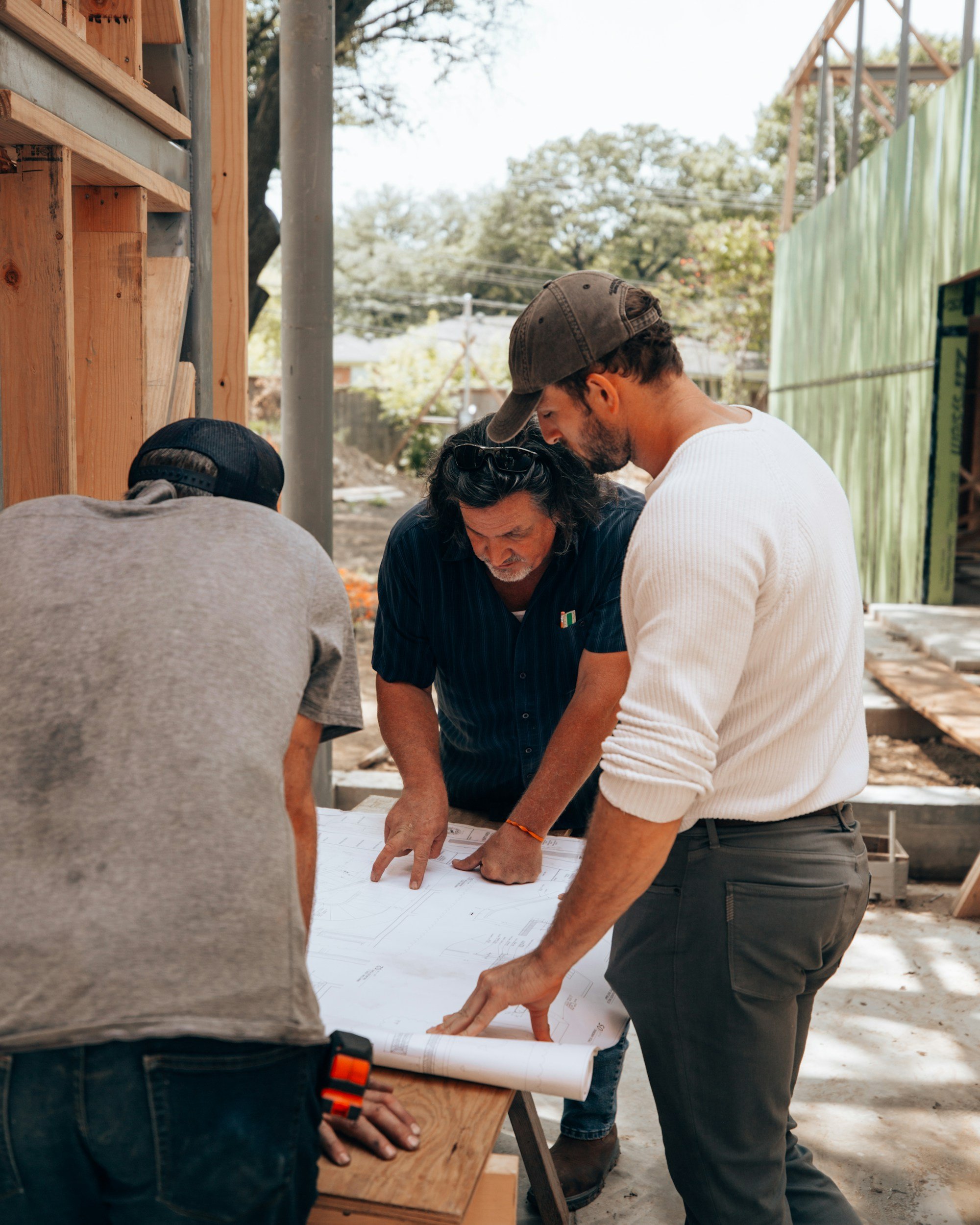
Late selections. This is the biggest one and it is almost entirely within your control. If your tapware is not chosen when the plumber is doing rough-in, the plumber leaves and comes back. Coming back takes weeks, not days, because that trade is now on another site. We run selections through K Studio early for exactly this reason.
Variations mid build. Moving a wall on paper costs a conversation. Moving it after the frame is up costs the frame, the engineering check, the rework, and the schedule slip for every trade behind it. Changes are not forbidden, but the cheapest time to make them is before anything is built.
Weather. Melbourne gets around 100 rain days a year and they are not distributed evenly. Site works, footings, roofing and external rendering are all weather dependent. A wet winter can add four to six weeks to a build that starts in April and nothing about that is anyone's fault.
Long lead items. Certain appliances, specialty tiles, stone slabs and imported tapware can run twelve to twenty weeks. If they are not ordered early they become the critical path, and the whole site waits on a box.
Service connections. Power, water, gas removal and NBN all run on the utility's timetable rather than yours. New estates are usually straightforward. Older established suburbs where a service needs relocating are not.
Discovering something in the ground. Old fill, rock, an unmapped service, contaminated soil from a previous use. Site investigations catch most of this, which is why a proper soil test is worth doing rather than skipping.
Knockdown rebuilds run differently
A knockdown rebuild adds a stage at the front but often saves time overall compared with buying land in a new estate.
Demolition itself takes about a week once you are on site, but the approvals around it take longer. You need service disconnections, an asbestos assessment on anything built before the late 1980s, a demolition permit, and in some council areas a planning permit if a heritage or neighbourhood character control applies.
Against that, you already own the land, it is already serviced, and you know the neighbourhood. There is no waiting for titles to register, which in new estates can add a year or more entirely outside your control. Our knockdown rebuild guide works through the decision in more detail.
How to make your build faster
Very little of the timeline is won on site. Almost all of it is won before.
Finish your brief before you start designing. Know how many bedrooms, how you want to live, what you will not compromise on, and what your actual budget is. Designs that change because the brief was never settled are the most common source of delay in the first six months.
Get the site investigated early. Soil test, survey, title search, easements, overlays. Do it before the design is fixed, not after, so the design can respond to the site rather than fight it.
Make selections early and then stop changing them. Every week you save at selections is a week off the back end.
Design to comply where you reasonably can. Under the current planning codes, a design that meets the deemed to comply standards moves through a faster and more certain assessment. Pushing past the standards is sometimes the right call, but it should be a deliberate choice made with the timeline cost in mind.
Choose a builder who is honest about the number. A builder who tells you nine months to win the job will be telling you about delays at month eleven. Ask for a realistic construction programme in writing and ask what happens if it slips.
Common questions
How long does it take to build a house in Melbourne?
Around 18 to 24 months from first design meeting to handover for a custom home. Construction alone is typically 10 to 15 months. Add three to six months if a planning permit is required.
How long is the construction phase on its own?
Ten to fifteen months for a custom double storey. A single storey on a simple site can be closer to eight or nine.
Why do custom homes take longer than volume builds?
A volume builder is repeating a documented plan they have built many times, on a flat estate block, with a supply chain tuned to that plan. A custom home is designed for your site and your family, which means new engineering, new documentation and trades doing something they have not done before. The comparison between the two is worth reading if the timeline is your main concern.
What is the longest stage of a build?
Fixing, usually. Eight to fourteen weeks with the most trades passing through in a fixed sequence.
Does weather really delay a build in Melbourne?
Yes, but mostly during site works, footings and external work. Once a house is at lock-up, rain has very little effect on progress.
The honest version
Building a house takes longer than you want it to. The builders worth working with will tell you that at the first meeting rather than the tenth, and they will show you where the time goes so you can make sensible decisions about the parts you control.
KGN Homes builds custom homes, knockdown rebuilds and multi residential projects across Melbourne's south east. If you want a realistic programme for your block rather than a comfortable number, come and talk to us. You can also see what we have built and how long those projects actually took.